
Introduction: A Region at an Inflection Point
Over the past decade, Asia has emerged as one of the fastest-growing hubs for biopharmaceutical manufacturing. Countries across Southeast Asia and South Korea are investing heavily in infrastructure, talent, and innovation to position themselves as global biomanufacturing leaders.
At the center of this transformation is a clear shift toward single-use systems (SUS)—a change that is redefining how facilities are designed, scaled, and operated.
Why Single-Use is Gaining Momentum in Asia
The adoption of single-use technologies across Asia is not accidental—it is driven by a combination of practical and strategic needs:
1. Faster Time-to-Market
Emerging biopharma companies and CDMOs in SEA are under pressure to move quickly—from clinical to commercial production. Single-use systems eliminate cleaning validation and reduce turnaround time, enabling faster batch cycles.
2. Lower Capital Investment
For many growing markets, building large stainless-steel facilities is capital-intensive. Single-use systems offer a modular and cost-efficient alternative, making it easier for companies to expand without heavy upfront investment.
3. Flexibility in Multi-Product Facilities
Countries like South Korea are seeing a surge in multi-product biologics manufacturing. Single-use systems allow facilities to switch between products with minimal risk of cross-contamination.
South Korea: A Case Study in Rapid Adoption
South Korea has positioned itself as a global biopharma powerhouse, with major investments in biologics and biosimilars.
Key drivers of single-use adoption in the region include:
- Strong CDMO ecosystem
- Focus on high-quality manufacturing standards
- Rapid scaling of monoclonal antibody production
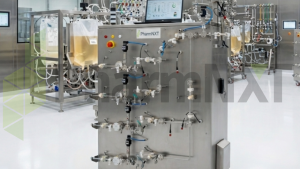
Single-use systems are increasingly being integrated into both upstream and downstream processes to enhance operational efficiency and compliance.
Southeast Asia: Growth Fueled by Agility
In Southeast Asia, countries such as Singapore, Malaysia, and Indonesia are focusing on building flexible, future-ready manufacturing capabilities.
Here, single-use technologies are enabling:
- Faster facility setup
- Reduced operational complexity
- Easier technology transfer between sites
For emerging players, this flexibility is not just beneficial—it is essential.
Challenges That Still Need to Be Addressed
Despite the rapid adoption, several challenges remain:
Supply Chain Dependency
Many companies in Asia still rely heavily on imported single-use components, leading to risks related to lead times, availability, and cost fluctuations.
Quality & Standardization
Ensuring consistent quality across suppliers remains a key concern, particularly for critical components like single-use bags and filtration systems.
Regulatory Alignment
As global regulations such as EU GMP Annex 1 evolve, companies must ensure their single-use systems meet stringent sterility and integrity requirements.
The Road Ahead: Localization & Reliability
One of the most significant trends emerging in Asia is the push toward localization of single-use manufacturing.
Reducing dependency on imports and building regional supply capabilities will be critical for:
- Ensuring uninterrupted production
- Improving lead times
- Strengthening supply chain resilience
Across Southeast Asia and South Korea, biopharma companies are increasingly prioritizing partners who can offer both quality and reliability at scale—not just products.
In this evolving landscape, companies that combine engineering expertise, manufacturing capability, and regional understanding are gaining prominence.
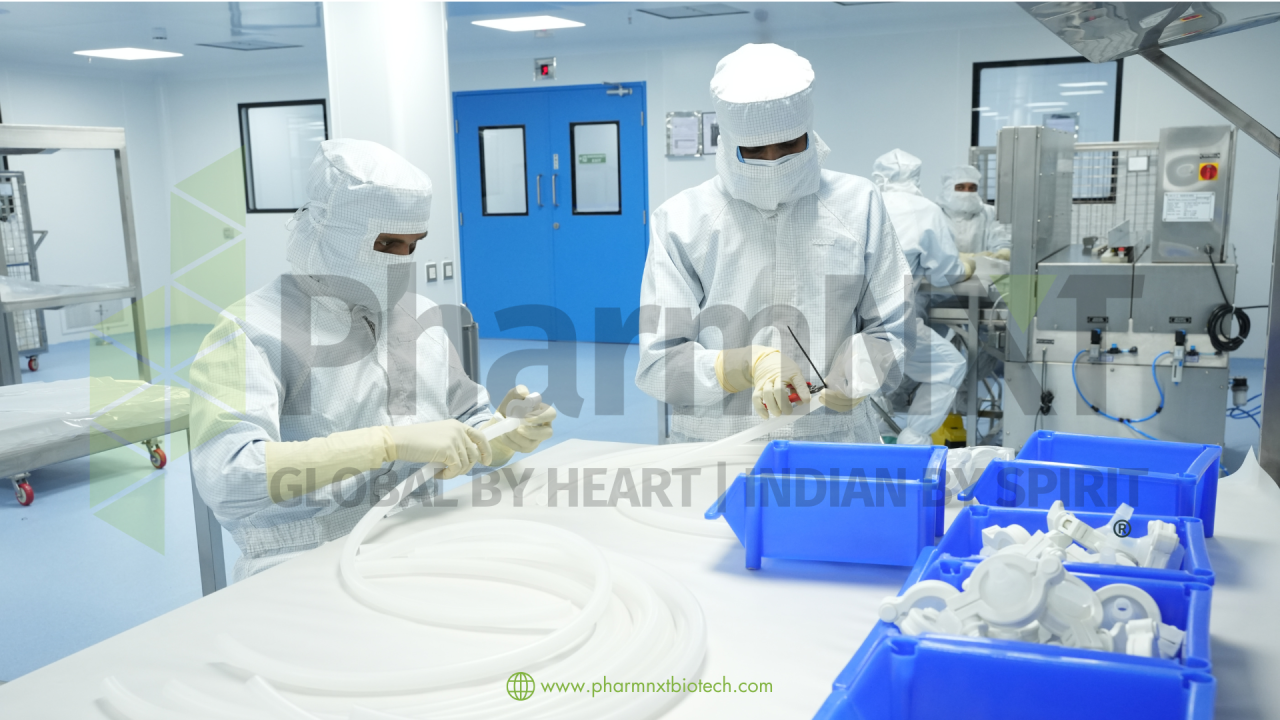
PharmNXT Biotech is one such emerging player contributing to this shift. With a growing footprint across Asia and beyond, PharmNXT has successfully established its single-use solutions in 14+ countries, supporting a wide range of biopharmaceutical applications.
Its solutions are already being utilized by leading biopharma companies, reflecting increasing confidence in locally developed, globally competitive technologies.
By focusing on:
- Robust design and engineering
- Consistent quality standards
- Strong field and application support
PharmNXT is helping bridge the gap between global expectations and regional accessibility.
Conclusion: A Defining Shift for the Industry
Single-use systems are no longer an alternative—they are becoming the default choice for modern biopharmaceutical manufacturing in Asia.
As the region continues to grow, the focus will shift from adoption to optimization—ensuring that these systems deliver not just flexibility, but also reliability, compliance, and scalability.
For bioprocess engineers, QA professionals, R&D scientists, and procurement teams, understanding and leveraging these trends will be key to staying competitive in an increasingly dynamic landscape. As adoption accelerates, the emphasis will move beyond flexibility to trusted partnerships and proven performance—where companies delivering both innovation and reliability will define the next phase of growth in Asia’s biopharma ecosystem.