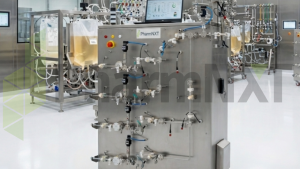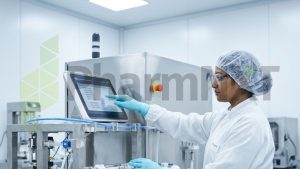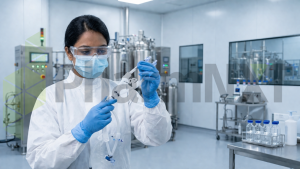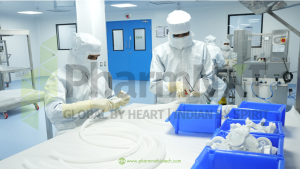

As the biopharmaceutical industry continues to evolve, single-use systems (SUS) have become a cornerstone of modern manufacturing. Their ability to improve efficiency, reduce turnaround time, and enable flexible facility design has made them the preferred choice across emerging and established markets alike.
However, with increased adoption comes an important question:
Are single-use systems sustainable—or are we trading environmental responsibility for operational convenience?
Why Single-Use Systems Took Over
The rise of single-use technologies is rooted in very real operational advantages:
- Elimination of cleaning and sterilization processes
- Reduced risk of cross-contamination
- Faster batch changeovers
- Lower capital investment for facility setup
For bioprocess engineers and manufacturing teams, these benefits translate into speed, flexibility, and efficiency—all critical in a competitive and time-sensitive industry.
The Sustainability Concern: A Growing Reality
Despite these advantages, the environmental impact of single-use systems is becoming harder to ignore.
Key concerns include:
1. Increased Plastic Waste
Single-use systems are primarily composed of polymer-based materials. With every batch, components such as bags, tubing, and filters are disposed of—raising concerns around biopharma-generated plastic waste.
2. Disposal Challenges
Most single-use components require incineration due to biohazard risks, contributing to carbon emissions and limiting recycling possibilities.
3. Perception vs Reality
There is a growing perception that single-use systems are inherently unsustainable—especially when compared to traditional stainless-steel setups.
Looking Deeper: Is It Really That Simple?
The sustainability debate is not as one-sided as it may seem.
While single-use systems generate more solid waste, they also eliminate resource-intensive processes such as:
- Water-heavy cleaning cycles
- Use of harsh cleaning chemicals
- Energy consumption for sterilization (CIP/SIP systems)
Several lifecycle assessments have shown that, in certain scenarios, single-use systems can actually result in a lower overall environmental footprint when considering total resource consumption.
The Industry’s Response: Moving Toward Greener Solutions
Recognizing the challenge, the biopharma industry is actively working toward more sustainable practices:
Material Innovation
Manufacturers are exploring advanced polymers and more efficient material usage to reduce waste per component.
Recycling Initiatives
Although still limited, some regions are piloting recycling programs for non-contaminated single-use components.
Process Optimization
Better process design is helping reduce the number of disposable components required per batch.
Energy-Efficient Disposal
Improved incineration technologies are being adopted to minimize environmental impact.
The Role of Manufacturers: Responsibility Beyond Supply
Sustainability in single-use systems is no longer just a user concern—it is increasingly becoming a manufacturer’s responsibility.
Companies developing these systems must now focus on:
- Designing for material efficiency
- Ensuring consistent quality to avoid waste from failures
- Supporting customers with optimized system configurations
In this context, players like PharmNXT Biotech are contributing to the ecosystem by combining engineering-led design with localized manufacturing, helping reduce supply chain inefficiencies while maintaining high-quality standards in single-use solutions.
Finding the Balance: Practical Sustainability
The future of biopharma manufacturing will not be about choosing between sustainability and convenience—it will be about balancing both intelligently.
For industry professionals across engineering, QA, R&D, and procurement, this means:
- Evaluating systems based on total lifecycle impact, not just waste generation
- Collaborating with suppliers who prioritize quality and responsible design
- Continuously optimizing processes to reduce resource consumption
Conclusion: A Shift Toward Responsible Innovation
Single-use systems are here to stay—they have fundamentally changed how biopharma manufacturing operates.
The real opportunity now lies in making them better:
- More efficient
- More sustainable
- More aligned with long-term environmental goals
As the industry moves forward, the conversation is no longer about whether to use single-use systems, but how to use them responsibly.