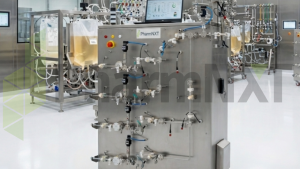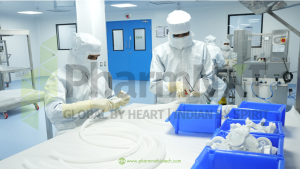

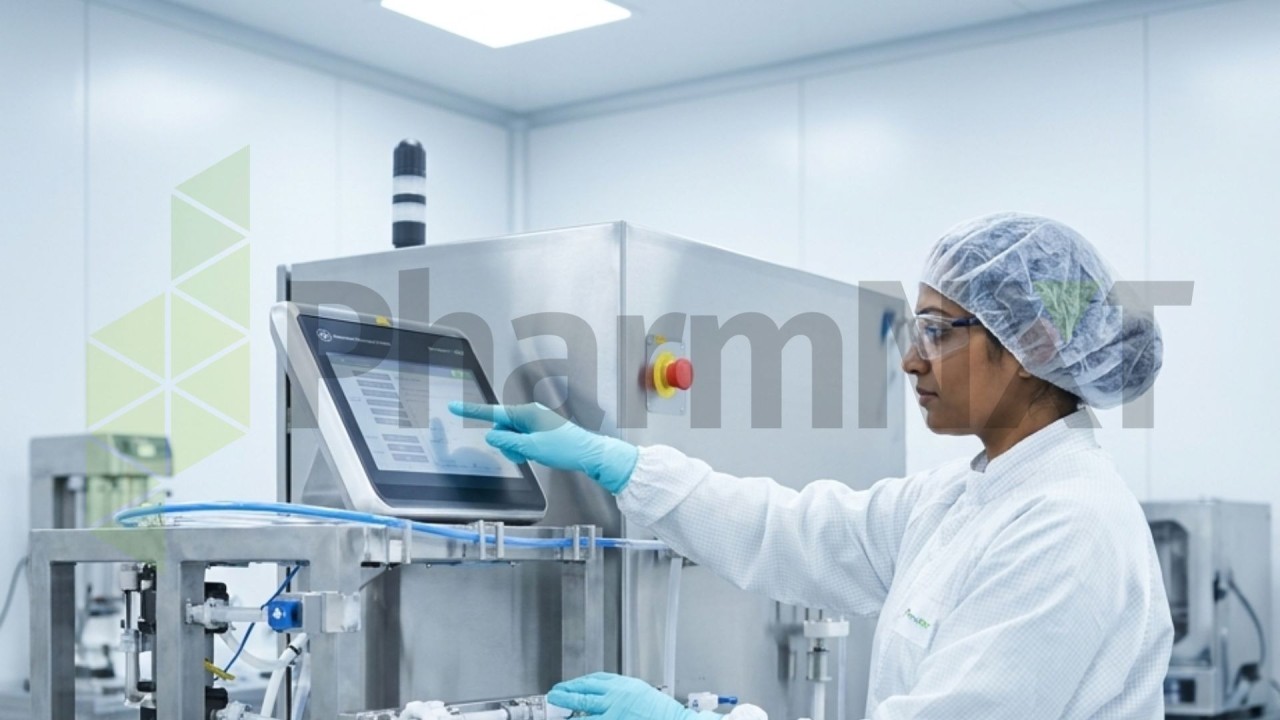
Sterility assurance in single-use systems is not a QA checklist. It is an engineering discipline, a supply chain standard, and an operational commitment — all at once.
1. Sterility Is No Longer Just a QA Function
The biologics manufacturing landscape has changed fundamentally over the past decade. Complex modalities — monoclonal antibodies, gene therapies, cell-based products — demand manufacturing environments where contamination risk is not merely controlled but systematically eliminated. At the same time, single-use systems (SUS) have become the default architecture for clinical and commercial facilities, precisely because they offer inherent sterility advantages and operational flexibility.
But this rapid adoption has outpaced the industry’s collective understanding of where single-use systems can fail.
Integrity breaches in disposable assemblies do not always present as visible contamination events. They manifest as marginal pressure decay deviations, subtle extractables excursions, micro-perforations introduced during transit, or aseptic connector failures traced back to improper installation. These are not QA problems — they are engineering problems, procurement problems, and operational discipline problems.
Regulatory bodies have responded accordingly. EU GMP Annex 1 (2022 revision), FDA guidance on aseptic processing, and evolving ICH Q10 expectations now collectively demand that sterility assurance be designed into the process lifecycle from material selection through to batch disposition. The onus is no longer on post-process sterility testing to confirm compliance — that has always been a lagging indicator. The requirement now is for a holistic contamination control strategy where integrity is validated, monitored, and maintained at every stage.
2. Sterility Assurance in Single-Use Systems: The Fundamentals
Sterility Assurance Level (SAL) is expressed as a probability of a single non-sterile unit, typically ≤10⁻⁶ for terminally sterilized products. For single-use assemblies, this SAL is achieved through gamma irradiation — a terminal sterilization method that penetrates packaging and inactivates microbial load without residual chemical activity.
The effectiveness of gamma irradiation is not a given. It depends on validated dose delivery, consistent product density, and verified bioburden of the pre-irradiation assembly. Reputable single-use manufacturers establish minimum absorbed doses through bioburden characterization and sterility verification dose audits per ISO 11137. When assemblies are sourced from suppliers who cannot demonstrate this validation traceability, the SAL claim is effectively unsubstantiated.
Equally important is the distinction between sterility and integrity. Gamma irradiation achieves the former; maintaining it through the lifecycle requires the latter. A sterile assembly with a compromised weld, a micro-punctured film, or a failed aseptic connector is not a sterile assembly. Sterility is a state delivered at manufacture. Integrity is the property that preserves it through shipping, storage, assembly, and use.
Closed-system processing amplifies the value of both. Where fluid pathways remain continuously closed — from bioprocess container to downstream filtration to final fill — the risk window for environmental contamination is fundamentally reduced. But closed processing is only as reliable as the connections, welds, and transitions within that pathway.
3. Where Integrity Risks Emerge: A Lifecycle View
Film and Polymer Performance
Multilayer bioprocess films — typically polyethylene-based laminates — must maintain mechanical integrity across a wide range of operating conditions: cryogenic storage, freeze-thaw cycling, agitation stress, elevated temperatures, and contact with complex biologic matrices. Material selection must account for chemical compatibility, not just mechanical performance.
Extractables and leachables (E&L) present a distinct risk pathway. Migration of oligomers, antioxidants, or UV stabilizers from film surfaces into biological product streams can compromise product quality and patient safety. Thorough E&L characterization — conducted under worst-case conditions per BPOG/BioPhorum guidance — is a non-negotiable requirement for any assembly in contact with the product stream.
Stress cracking at film folds, port interfaces, and weld margins is a documented failure mode. It is often invisible to incoming visual inspection and only detected under pressure integrity testing — which reinforces why such testing is process-critical, not optional.
Welds, Seals, and Connection Points
Thermal weld consistency is the single most important manufacturing variable in bioprocess bag production. Inadequate weld temperature, dwell time, or pressure produces welds that pass visual inspection but fail under operational stress. High-quality single-use manufacturers validate their welding processes with statistical process control and defined weld acceptance criteria — this process data should be accessible to the end user as part of supplier qualification.
Aseptic connectors — radially designed sterile connection devices — introduce additional complexity. Their integrity depends on correct alignment, appropriate force, and proper technique. Any deviation during installation in the manufacturing suite creates a potential sterile boundary breach. This is a human factors risk as much as a device design risk.
Dead legs within fluid manifolds — regions where flow stagnation allows bioburden accumulation — must be eliminated by design. Assembly geometry should be reviewed for dead leg potential at the manifold design stage, not as a post-implementation correction.
Transportation and Handling
Packaged single-use assemblies are subject to compressive loads, vibration frequencies, and temperature excursions during transit that are not always adequately simulated in shipping qualification studies. ASTM D4169 and ISTA 2A protocols provide testing frameworks, but these must be validated against the actual distribution conditions — including air freight, temperature variations common in Southeast Asian logistics, and multi-leg cold chain handling.
Film fatigue from repeated flexion during transit is a documented cause of micro-perforation. This risk is amplified when assemblies are double-rolled or improperly packaged within outer cartons. Outer packaging design is as technically important as the assembly itself.
Assembly and Human Factors
Installation errors — incorrect tubing routing, improper clamping force, inverted aseptic connectors, incomplete engagement of tube sets — are a leading cause of process deviations in single-use manufacturing suites. These errors are not always the result of inadequate operator competence; they often reflect assembly designs that are unnecessarily complex or underdocumented.
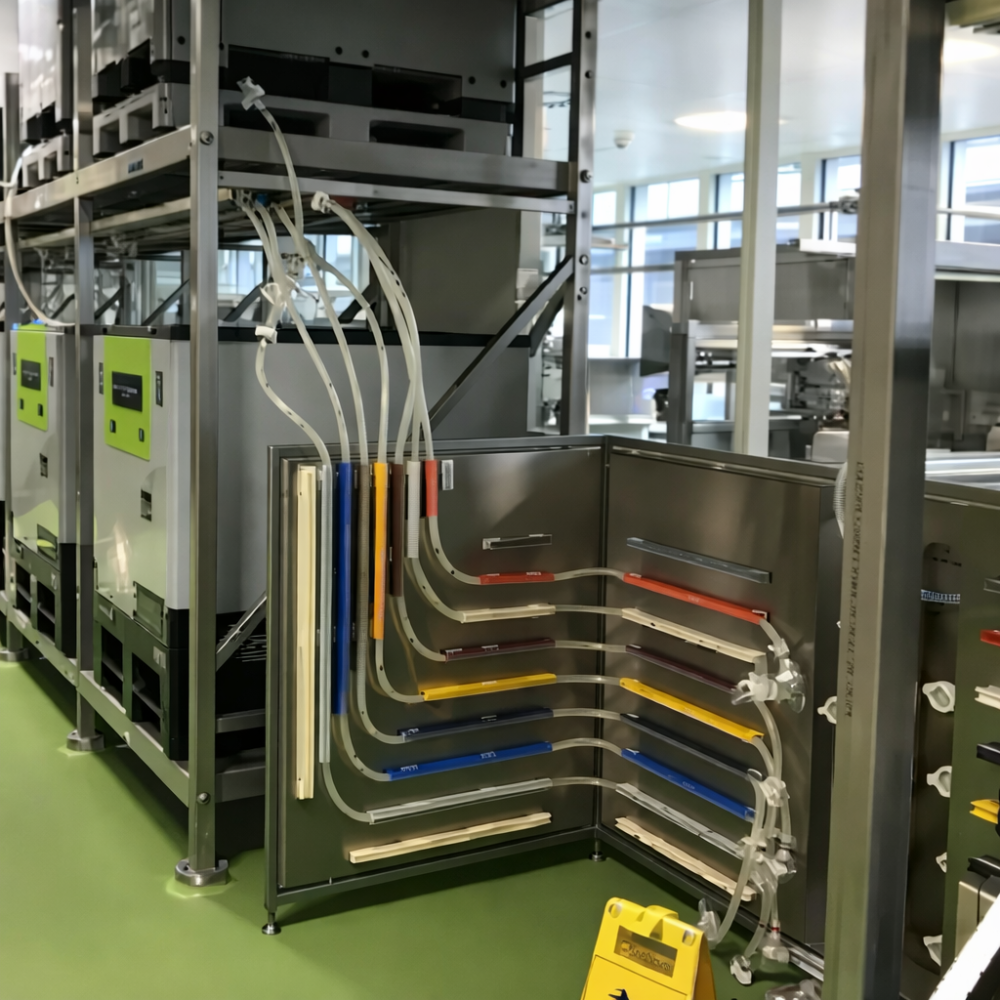
Defined Tubing Routing (DTR) diagrams, standardized installation SOPs with embedded photographs, and operator qualification programs against assembly-specific workstations are practical engineering controls that directly reduce human factors risk. Where possible, manifold designs should minimize the number of sterile connection steps required during setup.
4. Engineering Controls That Protect Sterility Assurance
The validation toolbox for single-use system integrity is well-established but inconsistently applied. Core integrity verification methods include:
Pressure decay testing — the most widely used integrity test for bioprocess bags and assemblies. A defined positive pressure is applied to the assembly; the rate of pressure decay over a defined interval indicates the presence of macro-defects. Test parameters (pressure, hold time, acceptance criteria) must be assembly-specific and validated.
Helium leak testing — a higher sensitivity method suited to detecting micro-defects in assemblies where the clinical or commercial risk justifies the increased analytical rigor. Used selectively for critical assemblies in sterile drug product manufacturing.
Visual inspection — a necessary but insufficient control. Inspection procedures must be standardized with defined illumination, background contrast, and documented accept/reject criteria. Operators must be qualified to the inspection procedure, not simply instructed to “look for damage.”
Dimensional verification — particularly for tubing inner diameter, connector engagement depth, and filter housing seating — ensures that assemblies conform to specifications that affect both flow performance and sterile boundary integrity.
Standardized assemblies — where the same validated assembly design is used consistently across campaigns and sites — reduce variability, simplify change control, and build the institutional process knowledge necessary for reliable manufacturing.
5. Sterile Filtration and Integrity Verification
Sterilizing-grade filtration — 0.2 μm (or 0.22 μm nominal) membrane filtration validated per ASTM F838-15 for bacterial retention — remains the final sterile boundary in most aseptic manufacturing processes. Filter integrity testing is not a regulatory formality. It is the mechanism by which the validity of this sterile barrier is confirmed for every filtration unit operation.
The two primary integrity test methods are:
Bubble point testing — which measures the minimum pressure required to displace the wetting liquid from the largest pore of a fully wetted membrane. Values below specification indicate membrane damage or improper wetting.
Forward flow (diffusion) testing — which measures dissolved gas diffusion across a fully wetted membrane under a defined differential pressure. This method is preferred for sterilizing-grade membranes in normal operating configurations, as it is sensitive to both gross defects and subtle membrane integrity compromises.
EU GMP Annex 1 (2022) has introduced a significant regulatory expectation around Pre-Use Post-Sterilisation Integrity Testing (PUPSIT). For final sterilising filter units in sterile drug product manufacturing, this requires integrity testing after sterilization and system assembly, but before the product filtration operation — not only after. The rationale is straightforward: sterilization and assembly processes may introduce defects that would only be detected at the post-use test, by which time product has already passed through a potentially compromised filter. PUPSIT implementation is a technical challenge in many existing facility designs, and it requires specific design considerations for single-use filter housings to accommodate test gas introduction and drainage prior to product contact.
Post-filtration contamination risk — from improperly purged vent filters, compromised downstream tubing, or contaminated receiving vessels — must be managed as part of the bioprocessing train design, not treated as a filtration-only risk.
6. Regulatory Expectations: The Compliance Landscape Is Tightening
The 2022 revision of EU GMP Annex 1 is the most substantive update to aseptic manufacturing guidance in over a decade. Its core requirement is the implementation of a documented Contamination Control Strategy (CCS) — a holistic, risk-based assessment of all contamination risks across the manufacturing process. Critically, the CCS must address single-use systems explicitly: material qualification, integrity testing, assembly controls, and supplier qualification all feed into this document.
The FDA’s guidance on sterile drug products produced by aseptic processing similarly demands documented rationale for all sterility-critical decisions, supported by process validation data and robust change control programs.
Supplier qualification is no longer a procurement activity. It is a GMP requirement. End users are responsible for verifying that their single-use component suppliers operate under QMS frameworks aligned with ISO 9001/13485, maintain documented bioburden control programs, provide CoC and CoA documentation with batch traceability to irradiation records, and operate robust change notification processes.
Change control management is particularly sensitive in single-use supply chains. A material change — a resin reformulation, a film laminate modification, a connector geometry update — can alter extractables profiles, weld performance, or dimensional characteristics. Without a formal change notification and impact assessment process, such changes reach the manufacturing suite unmanaged.
7. Regional Perspective: Southeast Asia and South Korea
The biologics manufacturing infrastructure across Southeast Asia and South Korea is expanding at a rate that few other regions can match. South Korea’s established CDMOs operate to international GMP standards with validated single-use platforms at clinical and commercial scale. Across Southeast Asia, Singapore continues to anchor regional manufacturing investment, while Malaysia, Thailand, and Indonesia are building meaningful biologics capacity.
As these facilities scale up and move from clinical to commercial manufacturing, regulatory expectations are rising in parallel. BPOM, TFDA, MFDS, and HSA are progressively aligning their GMP expectations with EU and ICH standards. Annex 1 alignment is increasingly referenced in regional regulatory assessments.
For manufacturers in these markets, supply chain security is an acute concern. Long lead times from Western suppliers — historically 16 to 24 weeks for customised assemblies — introduce operational risk that is difficult to manage in commercial manufacturing schedules. The industry response has been a growing demand for regional supplier capability: not just geographic proximity, but technical support, qualification documentation, and validated assemblies that meet the quality standards required for GMP use.
Companies operating in this space who combine technical depth with regional supply reliability are becoming increasingly important to how Asian biologics manufacturers structure their single-use procurement strategy. PharmNXT Biotech’s model — built around both supply chain proximity across 14+ countries and an engineering-focused approach to single-use integrity and sterility assurance — reflects this shift in regional supply strategy. The adoption of their assemblies by leading biopharma manufacturers in the region speaks to growing expectations around both technical credibility and supply reliability.
8. Best Practices for Industry Teams
For QA and Validation Teams:
- Qualify single-use suppliers against a defined Supplier Quality Agreement that explicitly covers bioburden control, gamma validation, batch traceability, and change notification obligations.
- Develop assembly-specific integrity test methods with validated acceptance criteria — do not rely on generic supplier-provided parameters.
- Include single-use system controls as a defined element of your Contamination Control Strategy under Annex 1.
- Align filter integrity test protocols with PUPSIT expectations for all sterilizing-grade filters in the aseptic processing train.
For Bioprocess Engineering Teams:
- Conduct design reviews of new single-use assemblies for dead leg potential, connection complexity, and routing ambiguity before qualification.
- Validate shipping and handling conditions for all assemblies receiving locations — do not assume vendor shipping qualification covers your specific distribution route.
- Build DTR documentation as a standard deliverable in new facility or process design projects.
For Procurement and Strategic Sourcing Teams:
- Move supplier qualification upstream into the sourcing process — qualification data should be available before commercial commitment, not after.
- Evaluate supplier change notification practices as a formal assessment criterion, not an afterthought.
- Assess dual-sourcing strategy for all integrity-critical single-use components — assemblies, filters, aseptic connectors — as a supply chain risk mitigation baseline.
For Manufacturing Operations:
- Implement formal operator qualification programs specific to each assembly type, not generic SUS handling training.
- Treat incoming visual inspection as a GMP activity with documented criteria and qualified inspectors.
- Establish deviation trending for assembly-related process events to identify systemic failure modes early.
9. Conclusion: Integrity Must Be Engineered, Not Assumed
Sterility assurance in single-use systems is achievable — but only through an approach that treats it as a systemic property of the entire manufacturing process, not a product characteristic that arrives pre-certified from a supplier.
Every weld, every aseptic connection, every transport leg, every installation step, every filtration operation represents a point in the process where the sterile boundary can be challenged. Managing that risk requires engineering controls designed with failure mode awareness, validation protocols that reflect actual operating conditions, supplier relationships built on quality transparency, and operational disciplines that treat sterility as an engineering commitment rather than a QA assumption.
As biologics manufacturing scales across Asia and globally, the facilities that will sustain compliant, reliable commercial operations will be those that have built integrity — literally and operationally — into the architecture of their manufacturing systems.
In single-use biomanufacturing, sterility is not something you test for at the end. It is something you engineer from the beginning.
#SingleUseSystems #SterileManufacturing #BiologicsManufacturing #AsepticProcessing #GMP #Annex1 #PUPSIT #BioprocessEngineering #SterileFilters #PharmNXTBiotech #CDMOAsia #BiomanufacturingAsia