VB Expression
The PM/XYLS induction system
The Pm promoter is induced using benzoic acid derivatives (0.1–5.0 mM), which passively diffuse across the periplasm. This avoids the “all-or-nothing” induction commonly seen in systems such as those using IPTG.
Upon binding to the inducer molecules, XylS dimers interact with the upstream activation site of the Pm promoter, facilitating the recruitment of RNA polymerase and initiating transcription.
VB EXPRESSION
UNIQUE SOLUTIONS FOR UNIQUE PROBLEMS
A modular expression vector platform designed for tunable and controlled recombinant protein production in microbial hosts.
Key Advantages:
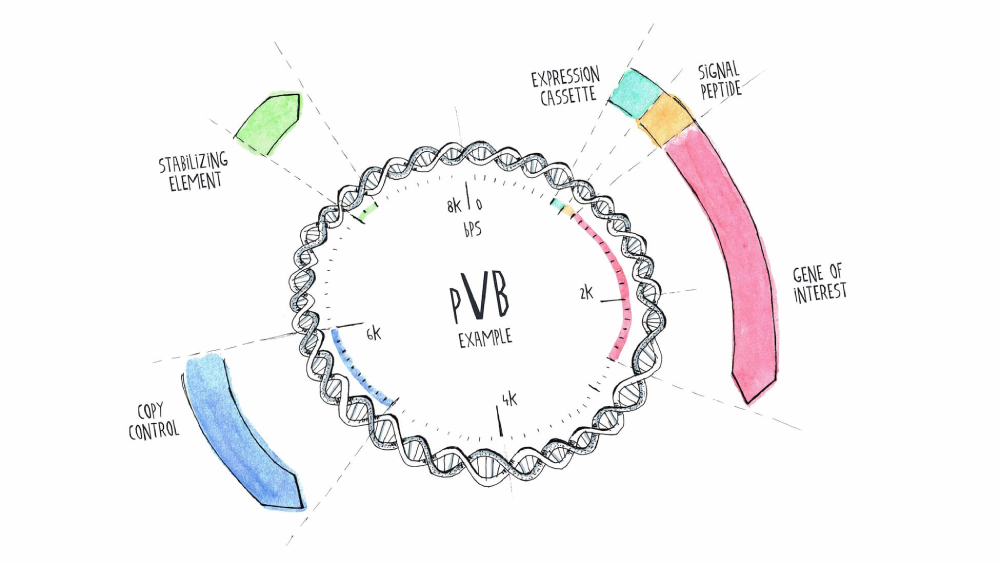
- Libraries of Pm/XylS-based expression cassettes enabling adjustable gene expression levels
- Libraries of signal peptides for both Sec and TAT secretion pathways
- Customizable plasmid copy number, ranging from very low to high
- Stabilizing elements enabling antibiotics-free, large-scale bioprocessing
Broad host range, suitable for E. coli and other Gram-negative bacteria. 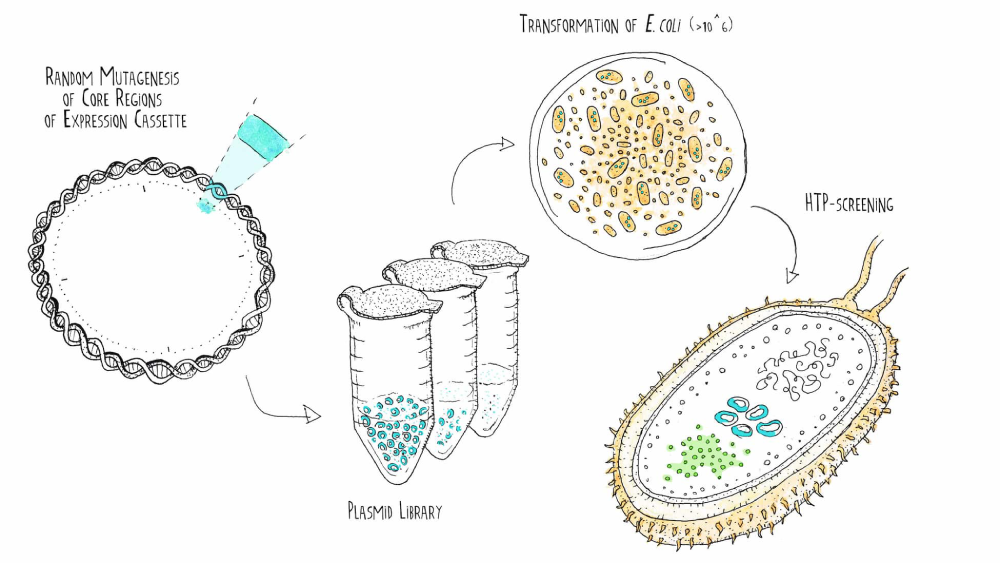
VB Evolution
the perfect solution through evolution
Every protein is unique and requires a unique expression vector for optimal production.
In VB EVOLUTION we harness the power of evolution to design tailor-made vectors for each protein.
Through our extensive understanding of the architecture of the Pm promoter we generate large sequence libraries that are screened using our own proprietary HTP method, allowing us to truly explore the mutational space and identify optimal expression cassettes for each protein in question.
VB Secretion
simplyfing the downstream
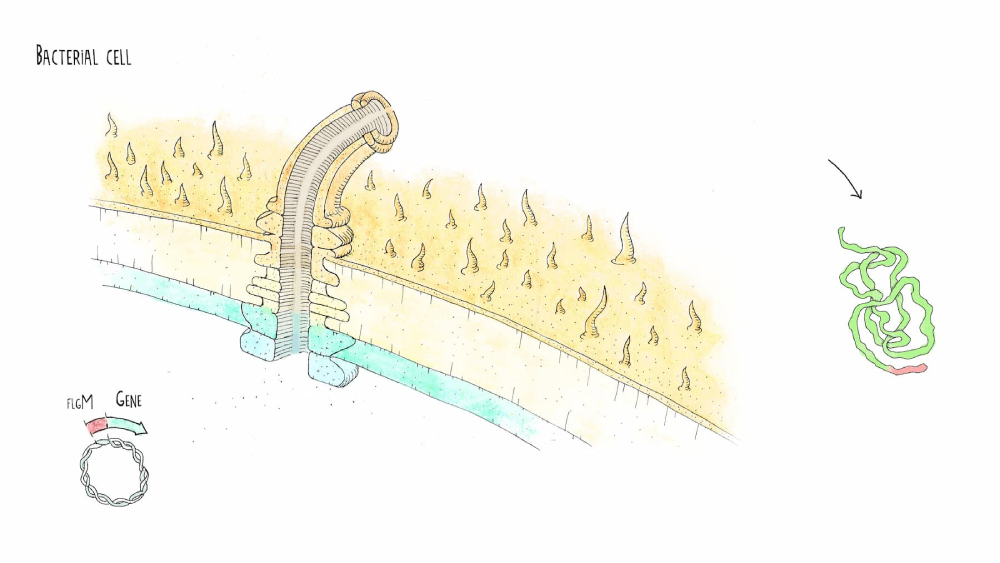
- Based on modified bacterial flagellum in Salmonella & E. coli.
- Initially discovered as most secreted products in Gram negative bacteria.
- Fastest protein secretion rate known to man (10,000AA/second).
- Associate ATPase unfolds at secretion & refolds in oxidative media.
- Proteins secreted leading with N-terminus – mimicking protein leaving ribosome.
- Intrinsically unstructured secretion tag – facilitates solubility and prevents interference with target protein.